Buy vbv.be ?
We are moving the project
vbv.be .
Are you interested in purchasing the domain
vbv.be ?
domain@kv-gmbh.de · 0541-91531010
Buy vbv.be ?
Can one mix the passé composé and the passé simple in a story?
Yes, it is possible to mix the passé composé and the passé simple in a story. The passé composé is commonly used in spoken French and in modern literature to express actions that are completed in the past, while the passé simple is used in formal writing to narrate specific events or actions that occurred in the past. Mixing these two tenses can add complexity and depth to a story, creating a more dynamic and engaging narrative. However, it is important to use them appropriately to maintain coherence and clarity in the storytelling. **
Can you mix the passé composé and the passé simple in a story?
Yes, it is possible to mix the passé composé and the passé simple in a story. The passé composé is commonly used in spoken French to talk about completed actions in the past, while the passé simple is more commonly used in written French to narrate past events. Mixing these two tenses can add complexity and richness to a story, providing a balance between the immediacy of the passé composé and the narrative distance of the passé simple. This combination can create a dynamic and engaging storytelling style. **
Similar search terms for Passé
Top-Angebote
Products related to Passé:
-
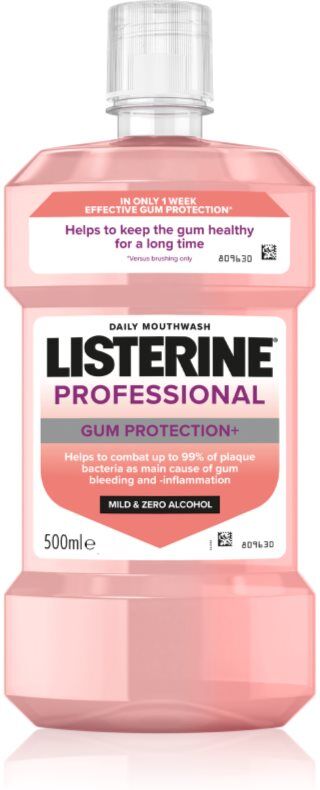
Listerine Professional Gum Protection+ bain de bouche protection dents et gencives 500 mlListerine Professional Gum Protection+, 500 ml, Bains de bouche pour femme, Le bain de bouche Listerine Professional Gum Protection+ ne vous aide pas uniquement à rafraichir votre haleine, il agit également contre la plaque dentaire et aide à maintenir une bonne hygiène de la gencive et des dents. Le produit : maintient des gencives saines tue les bactéries lutte contre l’apparition de caries dentaires renforce l’émail protection contre la plaque dentaire Composition du produit : sans alcool Mode d’emploi : Après le brossage des dents, rincez la bouche avec le bain de bouche pendant la durée indiquée sur l’emballage, rincez ensuite.12,90 €*Shipping: 3,45 €Secure redirect to the provider
-
Hawaiian Tropic Glowing Protection ensembleHawaiian Tropic Glowing Protection, 1 pcs, Protection contre le rayonnement solaire pour femme, Découvrez un coffret pratique de produits qui embelliront votre quotidien. Le coffret Hawaiian Tropic Glowing Protection facilite votre choix, en proposant une sélection de vos articles préférés, désormais réunis dans un seul et même emballage. L'ensemble contient: Hawaiian Tropic Glowing Protection Face Cream crème solaire visage SPF 50 50.00 ml Hawaiian Tropic Glowing Protection Sunscreen Lotion lait solaire SPF 50 170.00 ml Le produit : protège la peau contre le vieillissement prématuré peut être utilisé sur le corps et le visage masque les imperfections de la peau protège contre les rayons UV nourrit la peau apaise et adoucit la peau hydrate et nourrit Composition du produit : beurre de karité – nourrit, aide à retenir l'humidité, apporte douceur et souplesse, offre une protection contre le dessèchement et les agressions extérieures SPF : protège contre les effets néfastes des rayons UV vitamine E : nourrit la peau, lui procure une protection antioxydante contre le vieillissement prématuré et les dommages causés par les radicaux libres, contribue à lisser les rides et à rendre la peau plus ferme et plus souple Mode d’emploi : Suivez les instructions indiquées sur l’emballage.28,10 €*Shipping: 3,45 €Secure redirect to the provider


-
Imperfect or passé composé when?
The choice between imperfect and passé composé depends on the context and the specific action being described. The imperfect is used to describe ongoing or repeated actions in the past, while the passé composé is used for completed actions. If the action is a one-time event that happened in the past, the passé composé is more appropriate. However, if the action was ongoing or repeated, the imperfect should be used. **
-
What is the difference between the participe passé and the passé composé in French?
In French, the participe passé is a verb form used to form compound tenses like the passé composé. The participe passé is the past participle of a verb, while the passé composé is a compound tense formed by using the auxiliary verb "avoir" or "être" in the present tense followed by the past participle of the main verb. Essentially, the participe passé is a component of the passé composé, which is a complete verb form used to express actions that have been completed in the past. **
-
What is the difference between the Participe Passé and the Passé Composé in French?
In French, the Participe Passé is a verb form used in compound tenses like the Passé Composé. The Passé Composé is a compound tense that consists of an auxiliary verb (either "avoir" or "être" conjugated in the present tense) followed by the past participle of the main verb. The Participe Passé is the past participle form of a verb, while the Passé Composé is a specific compound tense used to express completed actions in the past. **
-
What is the French Passé Composé?
The French Passé Composé is a compound past tense used to talk about completed actions in the past. It is formed by using a helping verb (either "avoir" or "être" conjugated in the present tense) followed by the past participle of the main verb. The choice between "avoir" and "être" as the helping verb depends on the main verb and whether it is transitive or intransitive. The Passé Composé is one of the most commonly used past tenses in French. **


When is the passé composé agreed?
The passé composé is agreed in gender and number with the subject when the auxiliary verb is "être." This means that the past participle must agree with the subject in gender and number. However, when the auxiliary verb is "avoir," the past participle does not agree with the subject. **
When is the passé composé used?
The passé composé is used in French to express actions that were completed in the past. It is formed with the auxiliary verb "avoir" or "être" in the present tense, followed by the past participle of the main verb. This tense is commonly used to talk about specific actions or events that happened at a definite point in the past. It is also used to describe a series of completed actions or to talk about actions that have a direct impact on the present. **
Top-Angebote
Products related to Passé:
-
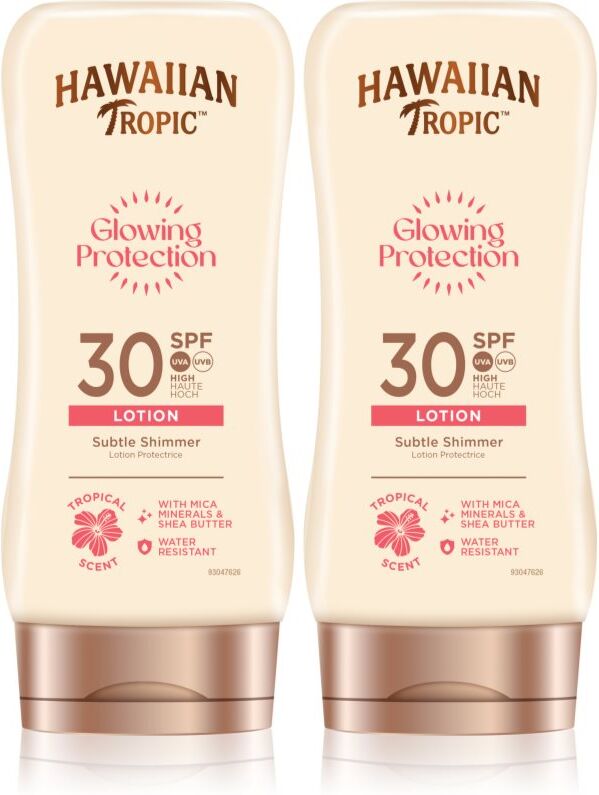
Hawaiian Tropic Glowing Protection Glowin Protection ensembleHawaiian Tropic Glowing Protection Glowin Protection, 1 pcs, Protection contre le rayonnement solaire pour femme, Découvrez un coffret pratique de produits qui embelliront votre quotidien. Le coffret Hawaiian Tropic Glowing Protection Glowin Protection facilite votre choix, en proposant une sélection de vos articles préférés, désormais réunis dans un seul et même emballage. L'ensemble contient: Hawaiian Tropic Glowing Protection Sunscreen Lotion lait solaire SPF 30 2x170.00 ml Le produit : coffret à un prix avantageux apporte à la peau l’hydratation dont elle a besoin évite les réactions allergiques au soleil agit préventivement contre le vieillissement de la peau nourrit la peau et en prend soin Composition du produit : beurre de karité – nourrit, aide à retenir l'humidité, apporte douceur et souplesse, offre une protection contre le dessèchement et les agressions extérieures vitamine E : nourrit la peau, lui procure une protection antioxydante contre le vieillissement prématuré et les dommages causés par les radicaux libres, contribue à lisser les rides et à rendre la peau plus ferme et plus souple Mode d’emploi : Suivez les instructions indiquées sur l’emballage.28,10 €*Shipping: 3,45 €Secure redirect to the provider
-
Listerine Professional Gum Protection+ bain de bouche protection dents et gencives 500 mlListerine Professional Gum Protection+, 500 ml, Bains de bouche pour femme, Le bain de bouche Listerine Professional Gum Protection+ ne vous aide pas uniquement à rafraichir votre haleine, il agit également contre la plaque dentaire et aide à maintenir une bonne hygiène de la gencive et des dents. Le produit : maintient des gencives saines tue les bactéries lutte contre l’apparition de caries dentaires renforce l’émail protection contre la plaque dentaire Composition du produit : sans alcool Mode d’emploi : Après le brossage des dents, rincez la bouche avec le bain de bouche pendant la durée indiquée sur l’emballage, rincez ensuite.12,90 €*Shipping: 3,45 €Secure redirect to the provider
-
Can one mix the passé composé and the passé simple in a story?
Yes, it is possible to mix the passé composé and the passé simple in a story. The passé composé is commonly used in spoken French and in modern literature to express actions that are completed in the past, while the passé simple is used in formal writing to narrate specific events or actions that occurred in the past. Mixing these two tenses can add complexity and depth to a story, creating a more dynamic and engaging narrative. However, it is important to use them appropriately to maintain coherence and clarity in the storytelling. **
-
Can you mix the passé composé and the passé simple in a story?
Yes, it is possible to mix the passé composé and the passé simple in a story. The passé composé is commonly used in spoken French to talk about completed actions in the past, while the passé simple is more commonly used in written French to narrate past events. Mixing these two tenses can add complexity and richness to a story, providing a balance between the immediacy of the passé composé and the narrative distance of the passé simple. This combination can create a dynamic and engaging storytelling style. **
-
Imperfect or passé composé when?
The choice between imperfect and passé composé depends on the context and the specific action being described. The imperfect is used to describe ongoing or repeated actions in the past, while the passé composé is used for completed actions. If the action is a one-time event that happened in the past, the passé composé is more appropriate. However, if the action was ongoing or repeated, the imperfect should be used. **
-
What is the difference between the participe passé and the passé composé in French?
In French, the participe passé is a verb form used to form compound tenses like the passé composé. The participe passé is the past participle of a verb, while the passé composé is a compound tense formed by using the auxiliary verb "avoir" or "être" in the present tense followed by the past participle of the main verb. Essentially, the participe passé is a component of the passé composé, which is a complete verb form used to express actions that have been completed in the past. **
Similar search terms for Passé
-
Hawaiian Tropic Glowing Protection ensembleHawaiian Tropic Glowing Protection, 1 pcs, Protection contre le rayonnement solaire pour femme, Découvrez un coffret pratique de produits qui embelliront votre quotidien. Le coffret Hawaiian Tropic Glowing Protection facilite votre choix, en proposant une sélection de vos articles préférés, désormais réunis dans un seul et même emballage. L'ensemble contient: Hawaiian Tropic Glowing Protection Face Cream crème solaire visage SPF 50 50.00 ml Hawaiian Tropic Glowing Protection Sunscreen Lotion lait solaire SPF 50 170.00 ml Le produit : protège la peau contre le vieillissement prématuré peut être utilisé sur le corps et le visage masque les imperfections de la peau protège contre les rayons UV nourrit la peau apaise et adoucit la peau hydrate et nourrit Composition du produit : beurre de karité – nourrit, aide à retenir l'humidité, apporte douceur et souplesse, offre une protection contre le dessèchement et les agressions extérieures SPF : protège contre les effets néfastes des rayons UV vitamine E : nourrit la peau, lui procure une protection antioxydante contre le vieillissement prématuré et les dommages causés par les radicaux libres, contribue à lisser les rides et à rendre la peau plus ferme et plus souple Mode d’emploi : Suivez les instructions indiquées sur l’emballage.28,10 €*Shipping: 3,45 €Secure redirect to the provider
-
Hawaiian Tropic Hydrating Protection ensembleHawaiian Tropic Hydrating Protection, 1 pcs, Protection contre le rayonnement solaire mixte, Découvrez un coffret pratique de produits qui embelliront votre quotidien. Le coffret Hawaiian Tropic Hydrating Protection facilite votre choix, en proposant une sélection de vos articles préférés, désormais réunis dans un seul et même emballage. L'ensemble contient: Hawaiian Tropic Hydrating Protection Face Lotion crème solaire visage SPF 30 50.00 ml Hawaiian Tropic Hydrating Protection Lotion crème solaire 180.00 ml Le produit : coffret à un prix avantageux protège la peau contre les rayons UVA et UVB protège la peau contre le vieillissement prématuré hydrate intensément peut être utilisé sur le corps et le visage s’absorbe facilement Mode d’emploi : Suivez les instructions indiquées sur l’emballage.25,30 €*Shipping: 3,45 €Secure redirect to the provider
-
What is the difference between the Participe Passé and the Passé Composé in French?
In French, the Participe Passé is a verb form used in compound tenses like the Passé Composé. The Passé Composé is a compound tense that consists of an auxiliary verb (either "avoir" or "être" conjugated in the present tense) followed by the past participle of the main verb. The Participe Passé is the past participle form of a verb, while the Passé Composé is a specific compound tense used to express completed actions in the past. **
-
What is the French Passé Composé?
The French Passé Composé is a compound past tense used to talk about completed actions in the past. It is formed by using a helping verb (either "avoir" or "être" conjugated in the present tense) followed by the past participle of the main verb. The choice between "avoir" and "être" as the helping verb depends on the main verb and whether it is transitive or intransitive. The Passé Composé is one of the most commonly used past tenses in French. **
-
When is the passé composé agreed?
The passé composé is agreed in gender and number with the subject when the auxiliary verb is "être." This means that the past participle must agree with the subject in gender and number. However, when the auxiliary verb is "avoir," the past participle does not agree with the subject. **
-
When is the passé composé used?
The passé composé is used in French to express actions that were completed in the past. It is formed with the auxiliary verb "avoir" or "être" in the present tense, followed by the past participle of the main verb. This tense is commonly used to talk about specific actions or events that happened at a definite point in the past. It is also used to describe a series of completed actions or to talk about actions that have a direct impact on the present. **
* All prices are inclusive of VAT and, if applicable, plus shipping costs. The offer information is based on the details provided by the respective shop and is updated through automated processes. Real-time updates do not occur, so deviations can occur in individual cases. ** Note: Parts of this content were created by AI.